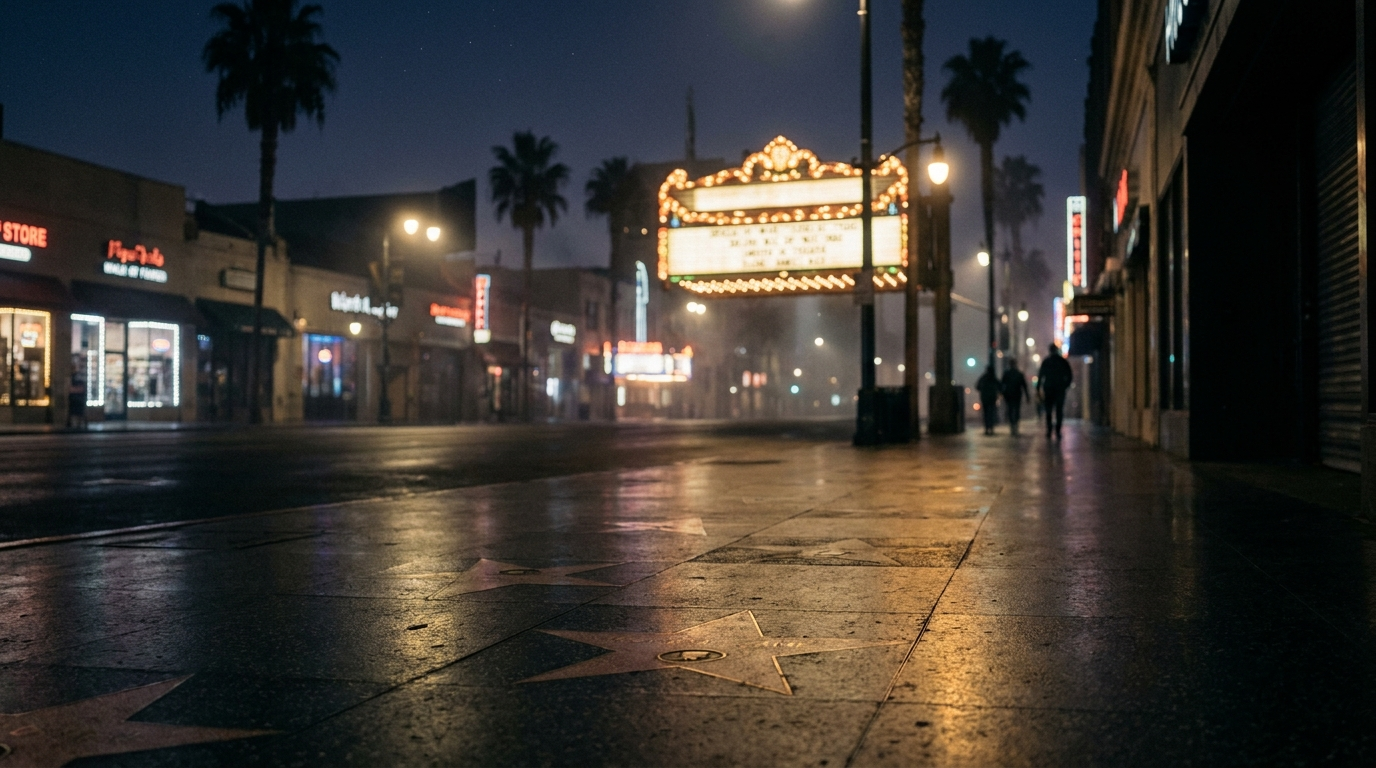
Los Angeles.
The stories. The House. The system. The people. Real, raw, and layered. Nothing is as it seems.
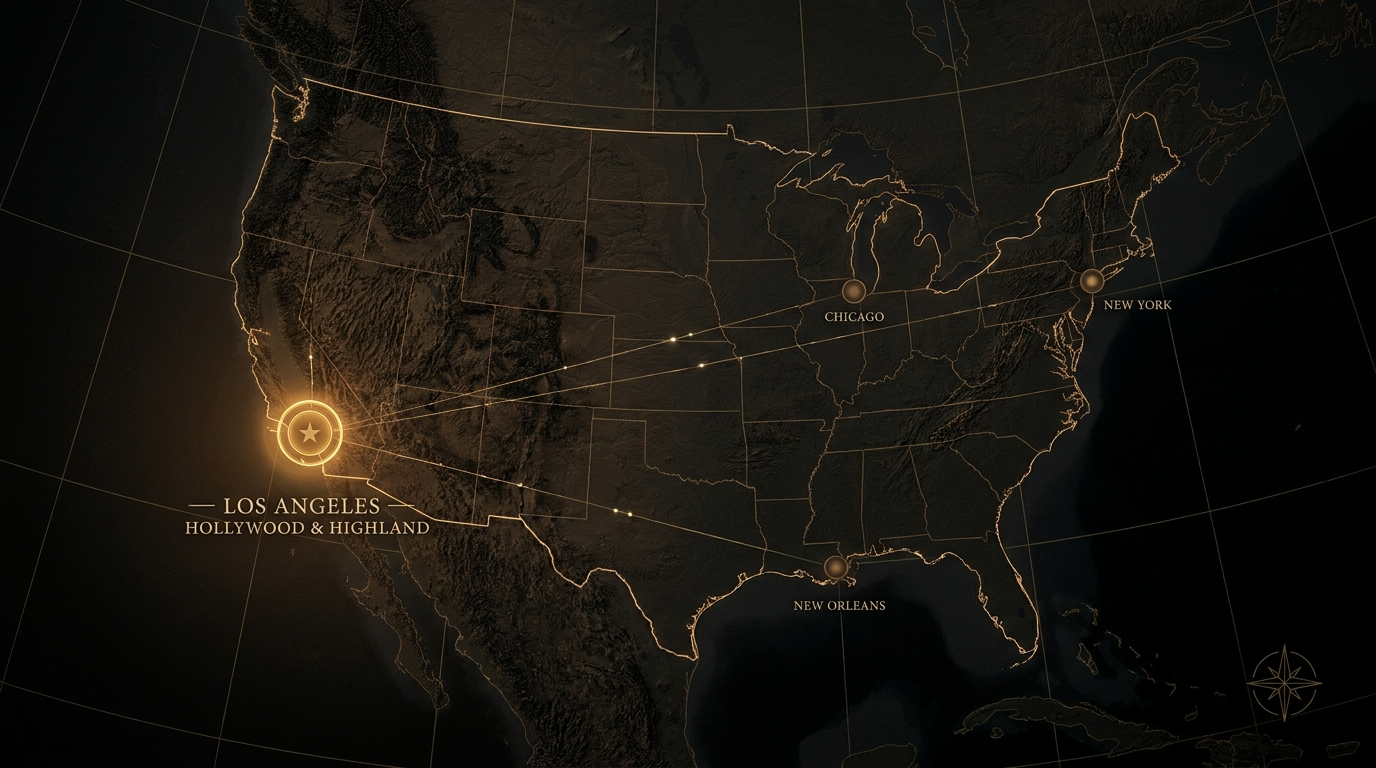
Walk the city.
Every light on this map is a real place in the story. Touch one to stand in it.
Season Zero.
{{ ep.log }}
{{ locTitle }}
{{ locText }}
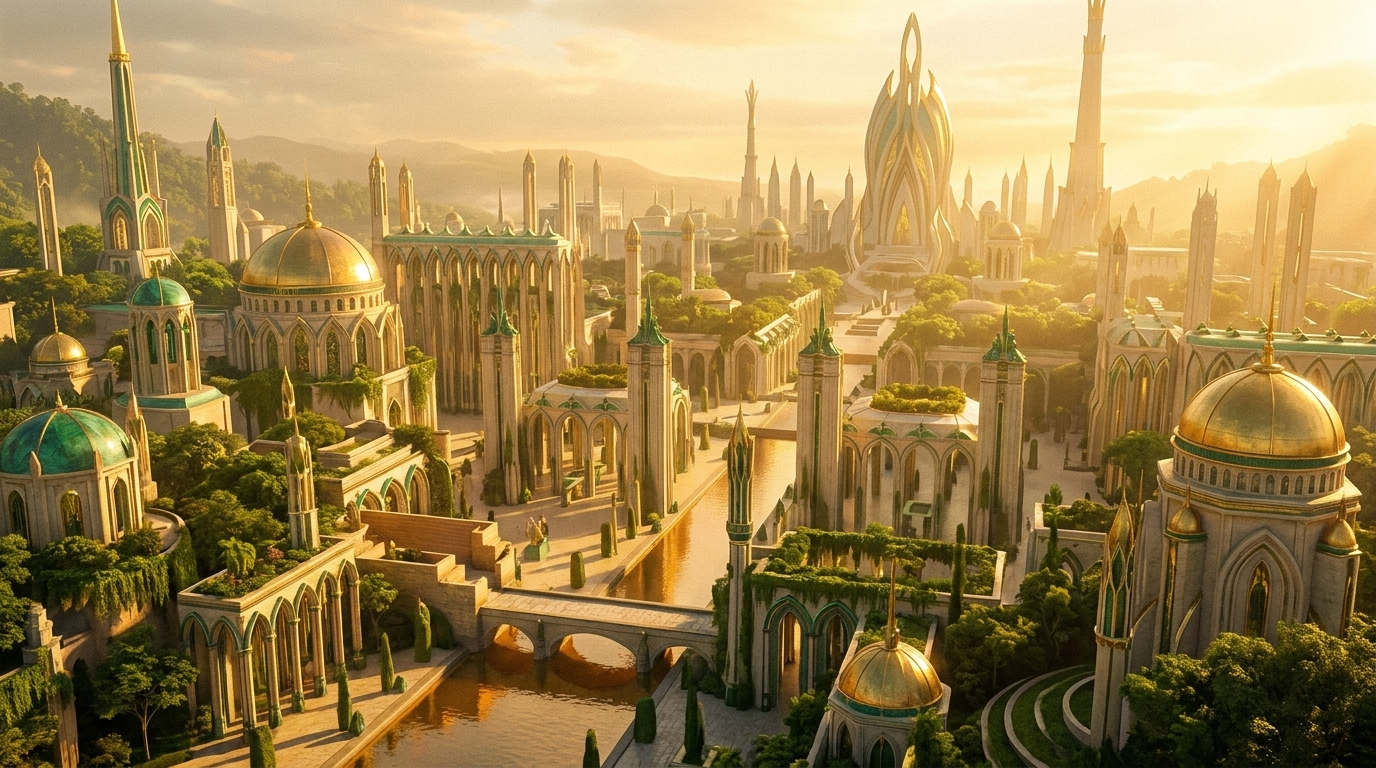
Sirius. Where it all began.
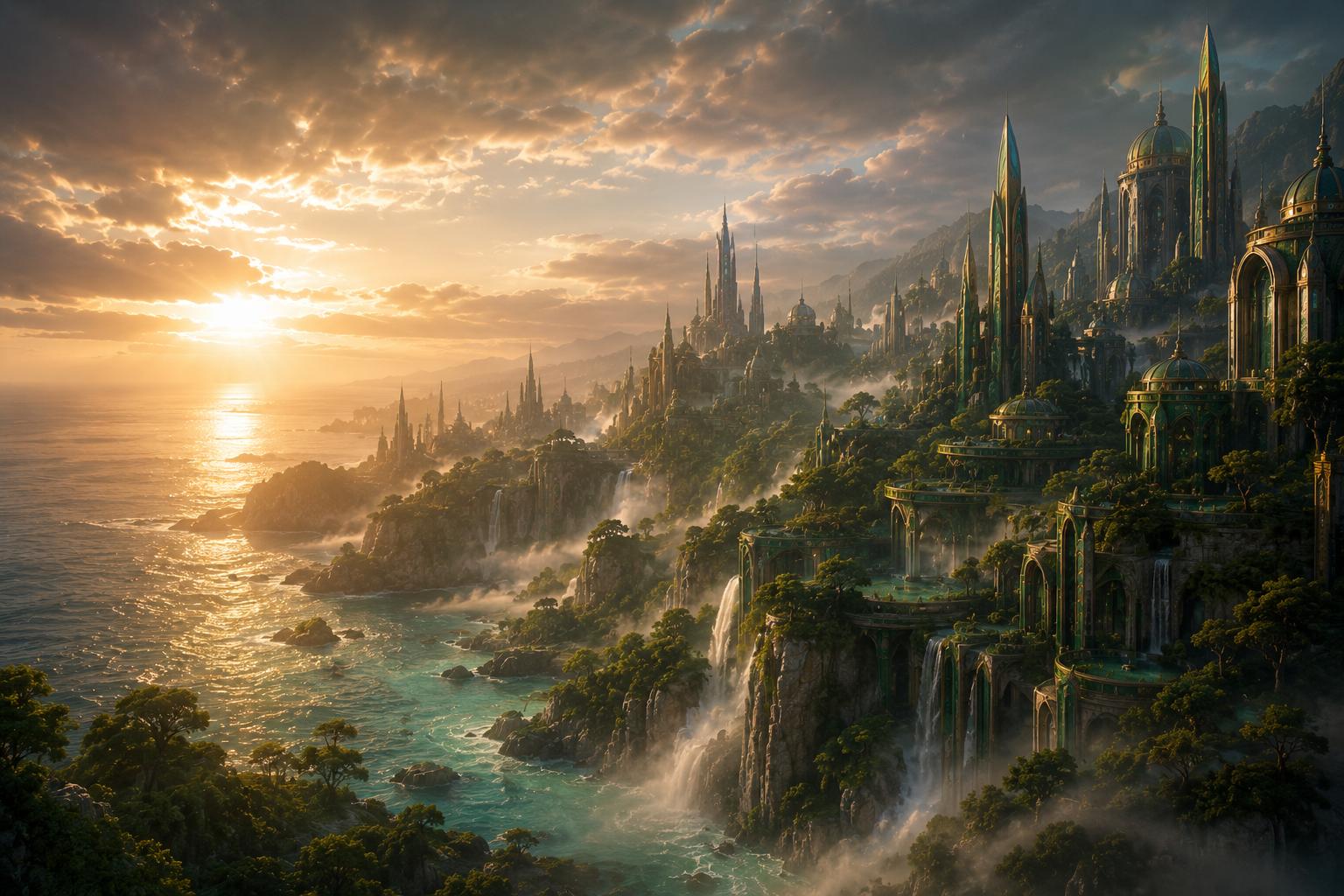
A shift in experience. The air changes. You have remembered. The kingdom of the Zaeds — evolved, ceremonial, integrated with nature. Alive.
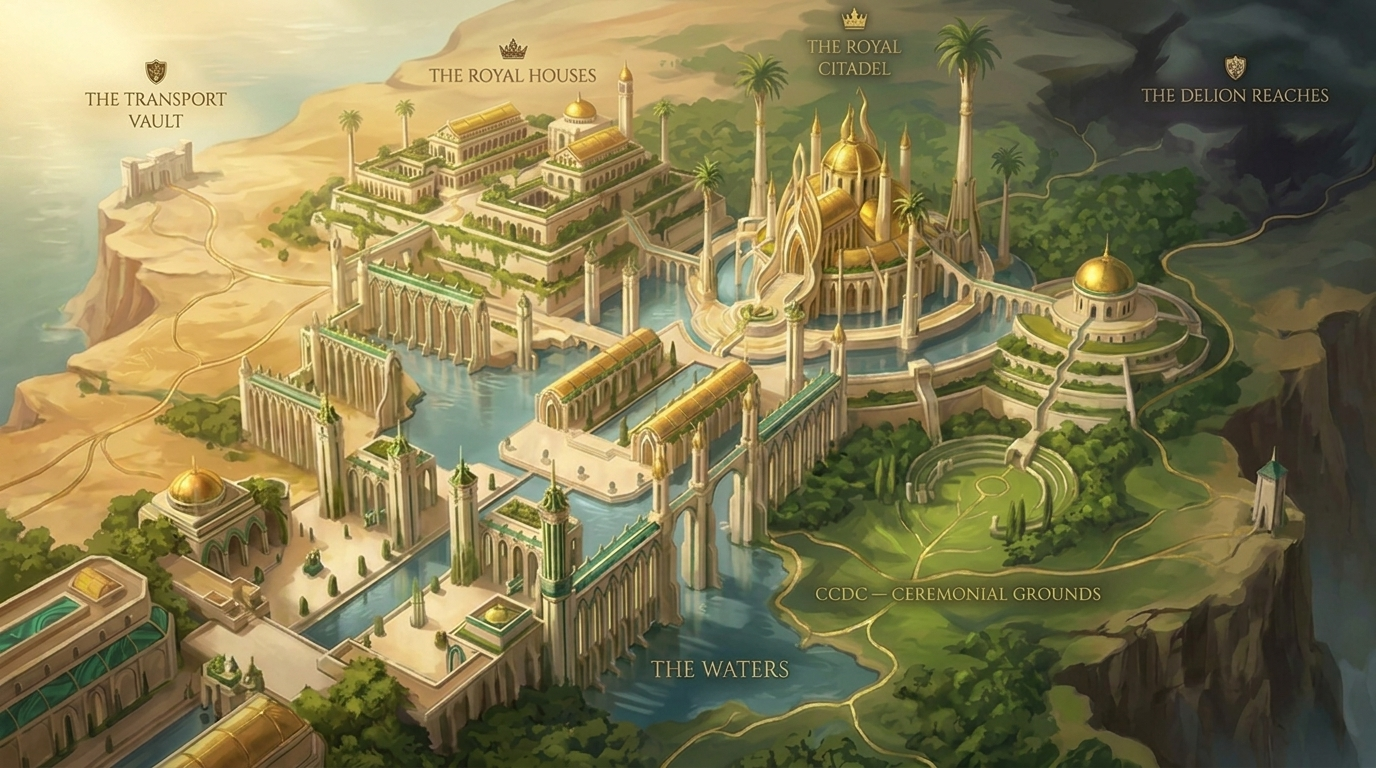
Walk the kingdom.
Five sites hold the story of the origin. Touch one to stand in it.
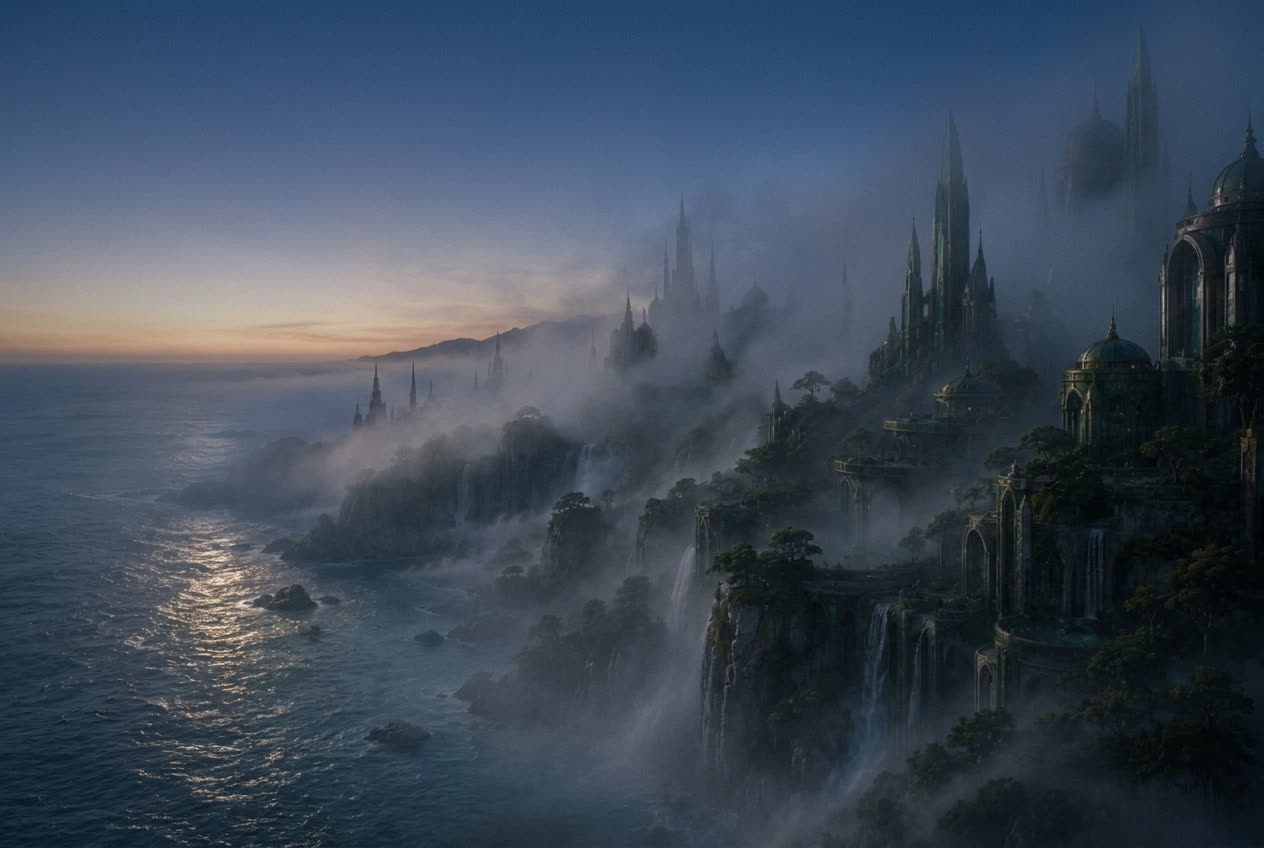
Slow, cinematic aerial movement over the Zaeds Kingdom at dawn. A wide ceremonial landscape unfolds as rainforest mist drifts across cliffs and forested terrain, gradually thinning as warm, diffused sunlight breaks through. An evolved ceremonial skyline reveals itself along elevated terrain—majestic, organic architectural forms integrated into the land, extending laterally across the horizon. Structures feel monumental yet restrained, suggesting an advanced civilization in balance with nature. Architecture incorporates verdant green structural accents—mineral or biogenic in nature—woven seamlessly into forms and materials. Subtle gold inlays appear only as sunlight increases, catching the light with quiet restraint rather than shine. Calm, mythic, evolved tone. No people, creatures, or vehicles. Emphasis on atmosphere, scale, and revelation over surface detail. Cinematic lighting, natural color grading, gentle film grain, 35mm aesthetic. Smooth continuous motion with no cuts.
Sacred. Ancient.
Every movement has meaning.
Rituals, processions, and sacred movements that shape Zaeds culture and power.
{{ c.text }}
The lineage.
The war ledger.
{{ era.text }}
Book One, complete and free — prologue to chapter eighteen — read here in the kingdom, or carried with you.
{{ site.title }}
{{ site.text }}
{{ dropCap }}{{ dropRest }}
{{ pp }}
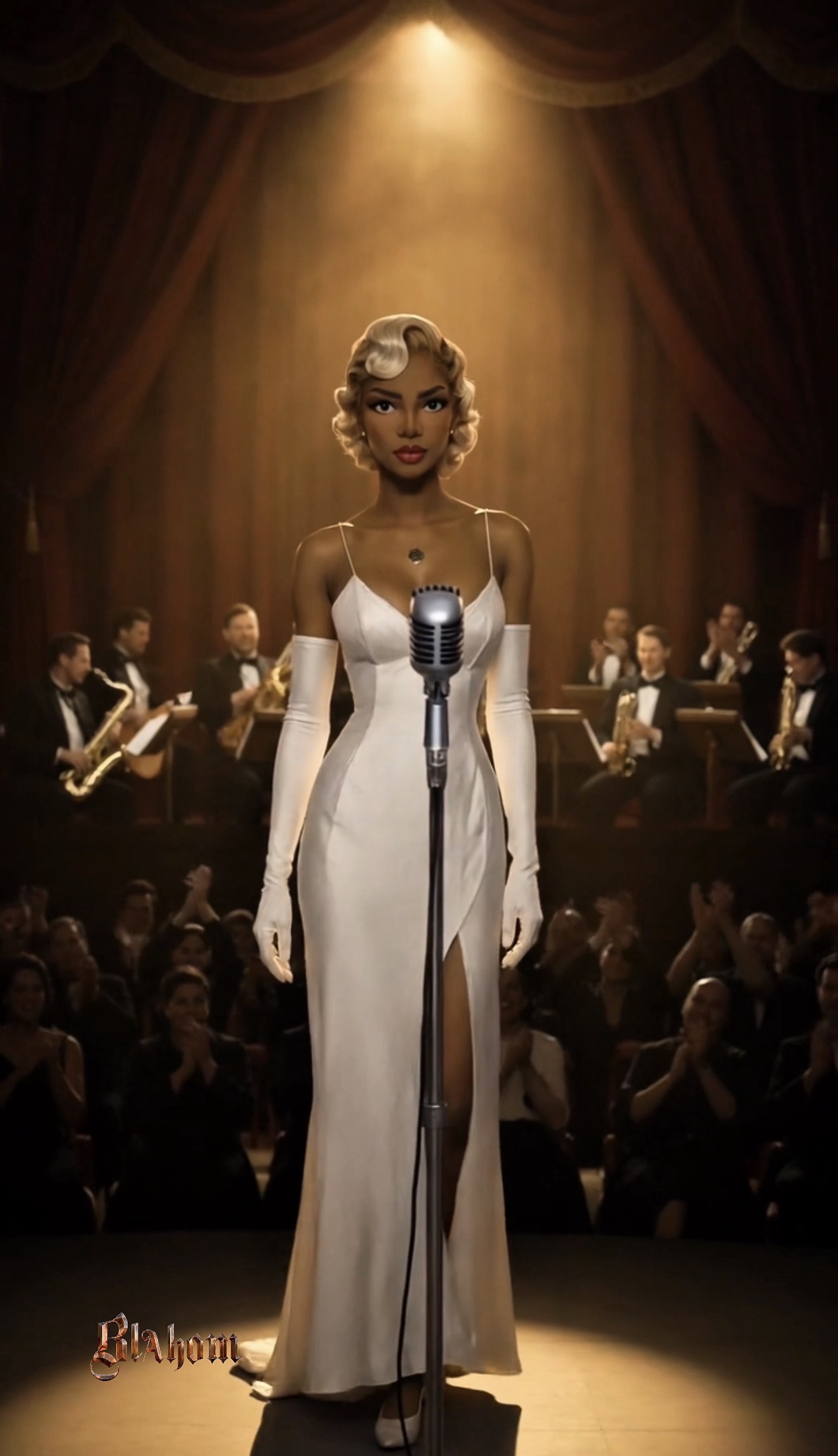
Big Ol Daddy.
Stream the story. Episodes, trailers, behind the scenes, and exclusive content. One night at the Highlight changes everything.
The story unfolds.
In words. In memory.
Books, comics, lore, and chronicles. Deepen the journey. Discover the truth in the archives.
Book One, complete — prologue to chapter eighteen. Read it here, or take it with you.
Written by Sean Ryan and April Q. Russell. Small, numbered, offered to the remembered first.
Timelines, glossaries, recovered documents — held in the Archives, and in the kingdom's war ledger.
The people behind the story.
Every choice. Every ally. Every enemy. Each of them is two people — flip the file.
What was hidden.
What was lost.
What remains.
Recovered documents, dream logs, ancient knowledge, and the truth they tried to bury.
Signal decoded. It repeats on every frequency The House does not monitor. It has been repeating for twenty-four years.
THE HOUSE
The House is always watching. The system is always moving.
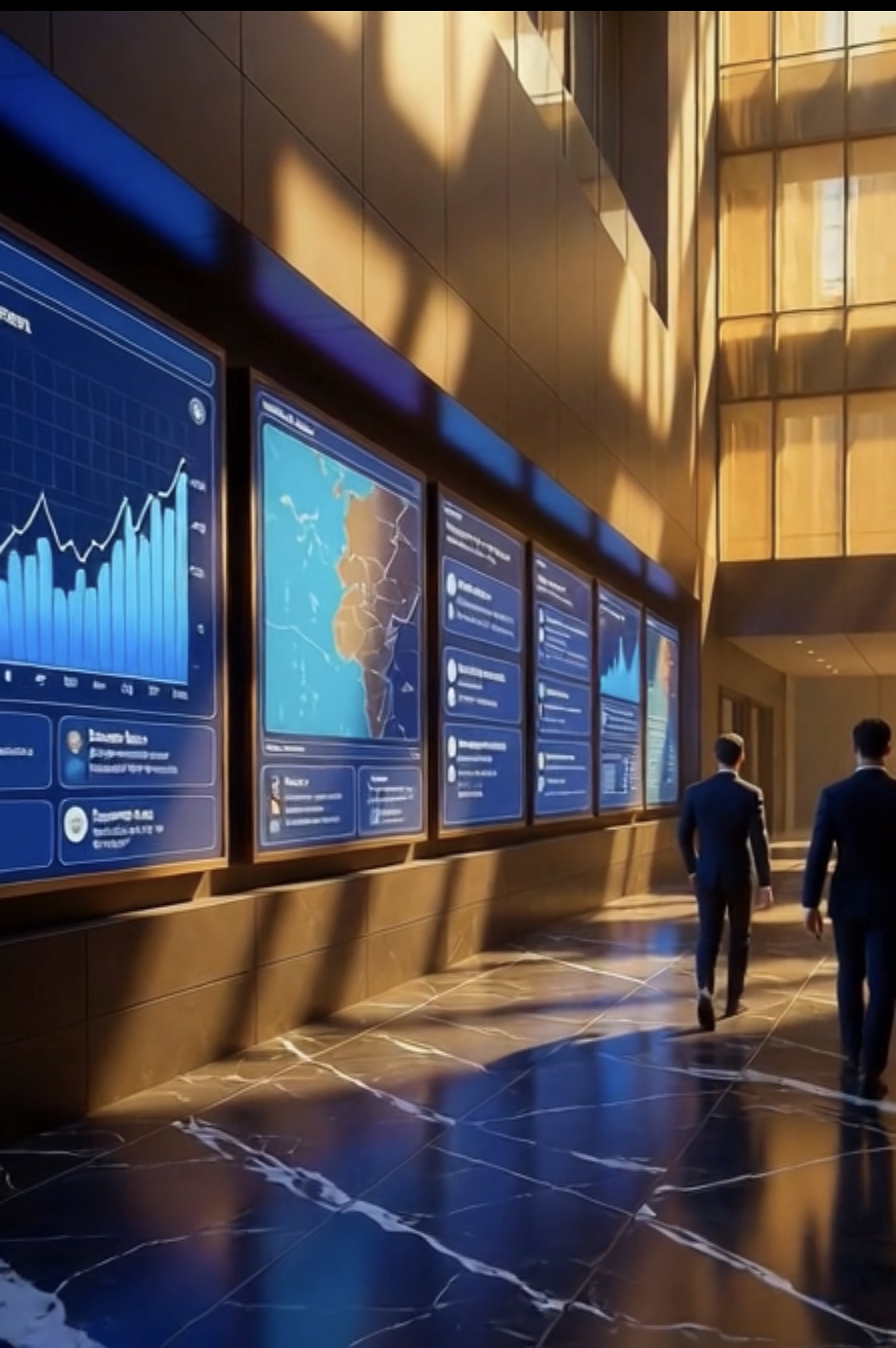
We manage more than careers.
Some doors aren't shown.
They are found.
Reality bends. Memory whispers. The Dream Realm isn't meant to be stable — and neither are you, here. You have been here before.
Shards drift loose here. Touch one and it stays with you.
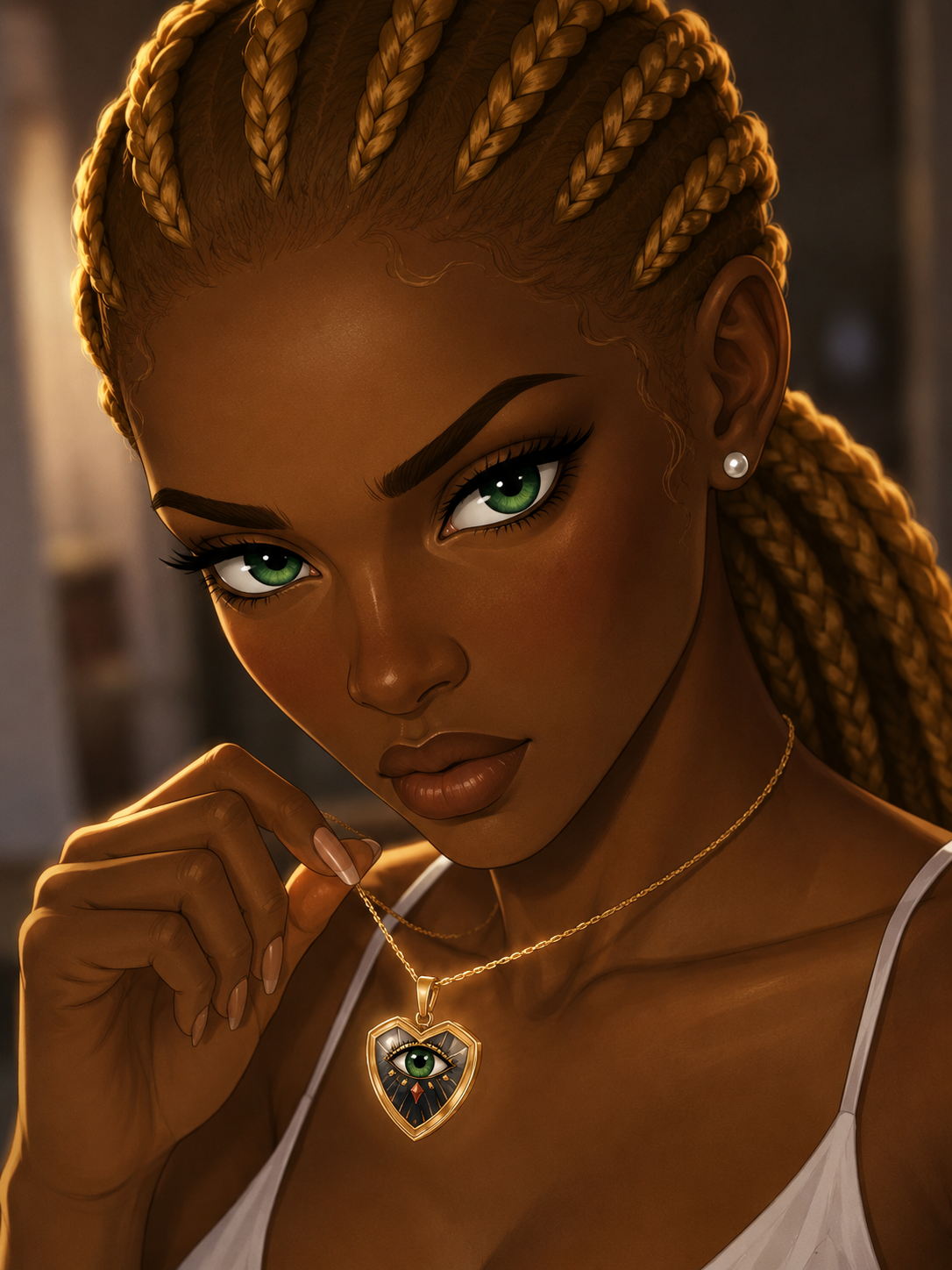
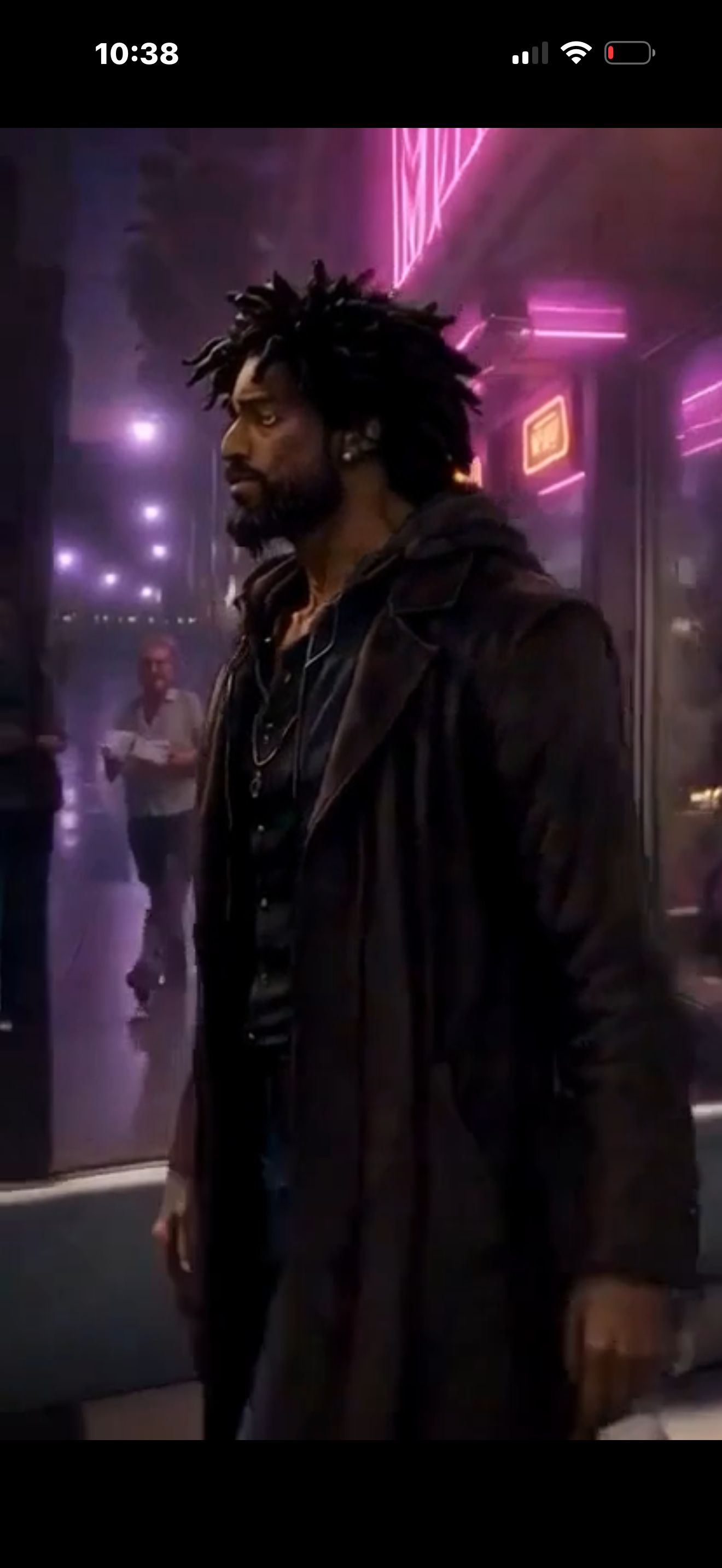
You belong here.
Beyond the story. Beyond the scenes. A community. A movement. Transmissions before anyone else, the withheld lines, first claim on Book One and the collector prints.
You are remembered.
You were always one of us. The withheld lines are open to you now — go back and read what The House did not want read.
Why BLAHOM
must exist.
The story is real. The work is real. The purpose is real. — April Q. Russell, version 2.0, locked draft
I didn't set out to write a trilogy.
I set out to build a world.
Not simply a place filled with characters, mythology, or spectacle, but a world capable of asking questions that no single novel, film, or television series could ever fully contain. Questions about identity. Memory. Power. Family. Faith. Civilization. Purpose. And the unseen realities that quietly shape the visible world.
BLAHOM exists because I believe stories have always been far more than entertainment. They are civilization's architecture.
Long before laws were written, stories taught people who they were. Long before governments existed, stories shaped cultures. Long before nations were formed, stories preserved memory. Every civilization eventually becomes the stories it chooses to remember.
As a young Black woman, I was raised to remember who I was, where I came from, and whose I was. Yet there were seasons when I forgot. The beautiful part of my story is not that I eventually remembered. It is that God never forgot.
That realization became the first seed of BLAHOM.
Hollywood became the battlefield because it is one of humanity's most influential storytelling institutions. It exports imagination, and imagination becomes culture. Culture shapes memory. Memory shapes identity.
Before BLAHOM there was Black Hollywood Marilyn. Beginning in 2015, I became her. Standing on Hollywood Boulevard, I watched thousands of strangers project different stories onto the same image. Images do not merely reflect culture. They help create it.
The stories surrounding Sirius and the Dogon people inspired me to imagine a civilization older than our own. Sirius became perspective — a place from which humanity could examine itself.
BLAHOM is ultimately about remembrance. Not memory as information. Memory as identity. Every character wrestles with the same question:
Who was I before the world told me who to become?
I don't expect everyone to leave BLAHOM with the same answers. I hope they leave asking better questions. If this universe succeeds, it will not be because people remember every character. It will be because somewhere along the journey, they remembered something about themselves.
Creator & Franchise Architect, BLAHOM Universe